We’re eating (and drinking) plastic. Microplastics—tiny plastic particles less than 5mm in size—are appearing in all kinds of everyday foods. From seafood to salt to your morning tea, these particles are sneaking into our diets through packaging, processing, and environmental contamination. While not enough research has been done on the physiological effects of consuming plastic, one would assume it is not part of a natural human diet.
Here’s a quick breakdown of common foods that are known to contain microplastics, plus where the plastic might be coming from.
1. Seafood and Seaweed
Fish and shellfish, especially those eaten whole like sardines or mussels, often contain microplastics from polluted oceans.
📖 Source: Smith et al., 2018, Environmental Science & Technology
2. Beer
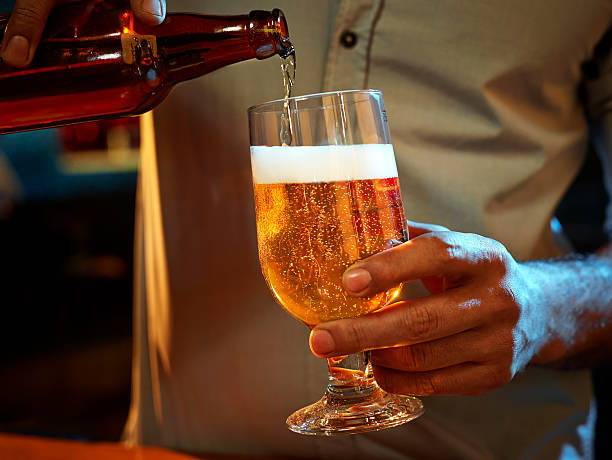
A German study found microplastics in all 24 beer brands tested. At least 12 US beers also tested positive. This is likely from contaminated water and plastic equipment used in brewing. More filtered beers may be better, and bottled beers are better than canned.
📖 Liebezeit & Liebezeit, 2014, Food Additives & Contaminants
https://doi.org/10.1080/19440049.2014.945099
3. Tea Bags
Many modern tea bags are sealed with plastic or made of nylon. When steeped in hot water, they can release billions of microplastic and even nanoplastic particles into your cup. Go with loose-leaf or paper bags.
📖 Hernandez et al., 2019, Environmental Science & Technology
https://doi.org/10.1021/acs.est.9b02540
4. Salt
Sea salt often contains microplastics from polluted oceans. In fact, over 90% of global salt brands sampled contained microplastics. Mined rock salt or Himalayan pink should be better, but have tested positive as well, through handling and packaging.
📖 Karami et al., 2017, Scientific Reports
https://doi.org/10.1038/srep46173
5. Processed Meats
Sausages, deli meats, and hot dogs can become contaminated during manufacturing through contact with plastic packaging, grinding machines, or additives.
📖 Zhou et al., 2022, Journal of Hazardous Materials
https://doi.org/10.1016/j.jhazmat.2022.129303
6. Food Pouches
Baby food, yogurts, and sauces in squeezable plastic pouches are especially risky, especially when microwaved or squeezed hard, which can cause plastic particles to shed.
📖 Fadare & Okoffo, 2020, Environmental Science & Technology
https://doi.org/10.1021/acs.est.9b07023
7. Processed Dairy
Milk stored in plastic containers and pre-sliced cheese can contain microplastics from packaging, especially when exposed to light or heat.
📖 Kutralam-Muniasamy et al., 2022, Environmental Pollution
https://doi.org/10.1016/j.envpol.2022.119046
8. Produce in Plastic Bags
Even fruits and veggies can pick up microplastics—either from being wrapped in plastic or from soil and water contaminated with plastic particles.
📖 Li et al., 2020, Nature Sustainability
https://doi.org/10.1038/s41893-019-0458-1
Should We Worry?
We are still learning about the effects of microplastics on the human body. Early studies suggest possible links to inflammation, hormone disruption, and long-term health risks. While you can’t avoid microplastics completely, you can reduce your exposure by opting for plastic-free produce, selecting loose-leaf tea, and avoiding microwaving food in plastic containers.